Nesta aula de inglês para executivos em nível intermediário e avançado (B2+), você vai explorar o conceito de personal branding por meio de dois casos globais: Cristiano Ronaldo e Neymar Jr.
O foco é entender como atletas de elite constroem marcas pessoais que ultrapassam o esporte, influenciam negócios, cultura e investimento. O texto permite desenvolver vocabulário de branding, reputação, estratégia de marca, narrativa pessoal e influência digital.
É um estudo comparativo, com vocabulário real, linguagem de negócios e espaço para discussão crítica — do jeito que a gente faz na Lingualize: conteúdo relevante, inglês aplicado.
Global Personal Branding: Cristiano Ronaldo vs. Neymar
In 2022, Cristiano Ronaldo (37) and Neymar Jr. (30) ranked among the highest-paid athletes in the world, according to Forbes. Both had legendary sporting careers, but the value of their personal brands extended far beyond trophies. The way they built and managed their narratives was shaping their transition into life beyond football—into business, investments, and cultural influence.
Cristiano Ronaldo: From Athlete to Global Brand
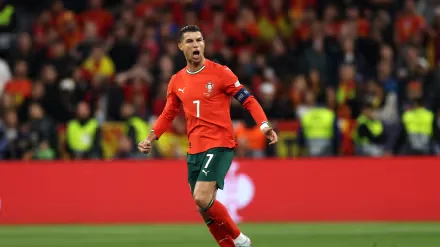
From early in his career at Sporting and Manchester United, Ronaldo cultivated discipline and consistency as central elements of his identity. On the pitch, his five Champions League titles, the Euro 2016 victory, and five Ballon d’Or awards reinforced this narrative. Off the pitch, the CR7 brand became a business empire.
Ronaldo expanded into fashion, hospitality, gyms, and fitness technology. Every venture carried the CR7 label, leveraging his reputation for reliability and performance. His carefully curated digital presence complements long-term sponsorships with Nike and Herbalife.
His discipline-driven narrative turned into a commercial asset. For sponsors and investors, Ronaldo represents low reputational risk and predictable returns, strengthening his ability to build sustainable businesses.
Neymar Jr.: Authenticity and Entertainment as Assets
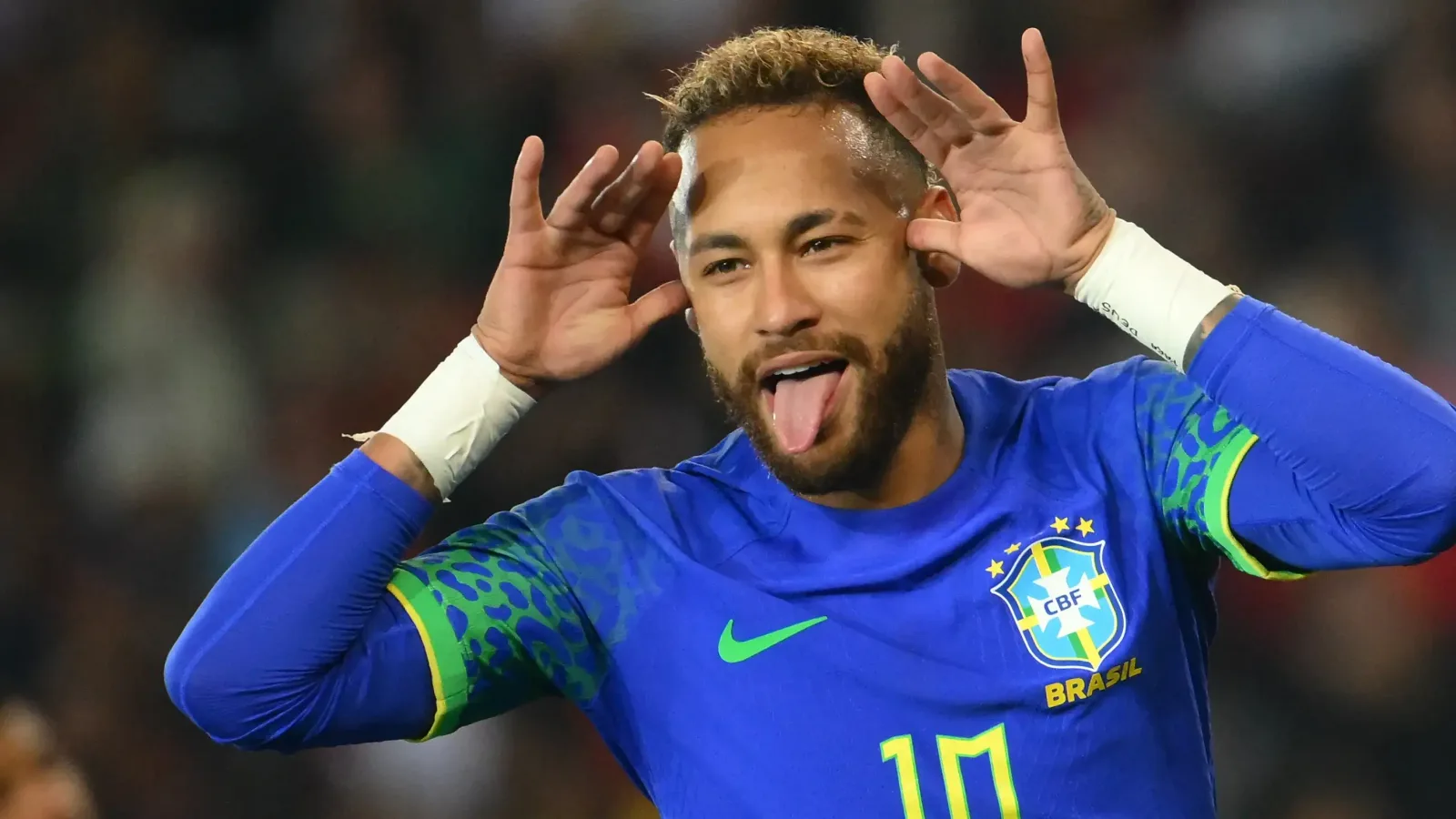
Neymar built his brand around natural talent, charisma, and spontaneity. On the field, he won the Copa Libertadores, the Champions League, and an Olympic gold medal. Off the field, his personal brand became intertwined with authenticity, lifestyle, and entertainment.
With more than 200 million social media followers, Neymar is one of the most influential figures in global pop culture. His personal brand supports deals with Puma, Red Bull, and ventures in eSports, music, and fashion. The Neymar Jr. Institute in Brazil also reinforces his social impact narrative.
At the same time, Neymar’s exposure to tabloids, recurring injuries during decisive matches, and episodes of controversy created volatility. Yet his authenticity also generated massive engagement, particularly with younger audiences, making his brand highly valuable in lifestyle-driven industries.
The Dilemma
Cristiano Ronaldo turned his disciplined narrative into a portfolio of long-term businesses. Neymar transformed authenticity into cultural and digital influence. Both demonstrate that sporting achievements alone are not enough: the power of personal branding lies in how it sustains the transition beyond the sport itself.
Discussion
Is it better to build a personal brand anchored in consistency and predictability, which facilitates stable contracts and long-term businesses?
Or to embrace authenticity and proximity, which generate massive engagement but carry greater reputational risk?