
Inglês para Executivos: Simulação de Sobrevivência e Tomada de Decisão
- 27 de fev.
- 5 min de leitura
Atualizado: 28 de fev.
Desenvolver habilidades de comunicação em inglês é essencial para executivos que precisam tomar decisões estratégicas e trabalhar em equipe. Nesta aula, utilizamos a simulação de sobrevivência para aprimorar o vocabulário, a argumentação e a negociação, tornando o aprendizado dinâmico e prático.
Scenario
Watch the video below to understand the scenario for the simulation.
Objective
You must rank these items in order of importance to maximize survival until rescue arrives. This can be done individually or in groups of 2 to 6 people.
Individual Play: You are making decisions for a group of six people who have elected you as their leader. Your choices will impact the entire group’s survival.
Group Play (2-6 Players): The group must collaborate, considering that there is enough food and water for each person. After individual rankings, the team must discuss and agree on a final collective ranking.
Once completed, your rankings will be compared to an expert evaluation to assess the effectiveness of your decision-making process.
List of Items
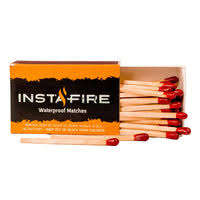
Box of matches
Used to ignite combustible material and produce flame. Enables the creation of fire for heat generation, snow melting, light, and cooking.
Bottle of water (1 liter per person)
Contains potable liquid water for hydration. Provides immediate fluid intake without requiring melting or purification.
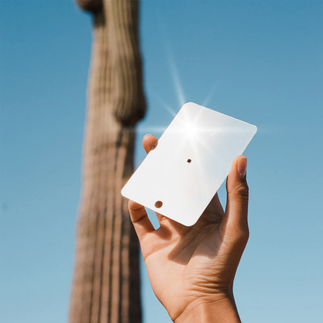
Signaling mirror
Reflective surface designed to redirect sunlight toward distant targets. Used to create visible flashes detectable over long distances.
Canned food
Sealed container holding preserved food. Provides stored calories and nutrients in ready-to-consume form.
10-meter rope
Flexible cordage used for tying, securing, hauling, anchoring, or supporting loads and structures.
First aid kit
Collection of medical supplies intended for treating injuries such as cuts, bleeding, burns, or minor trauma.
Regional map
Printed geographic representation of terrain, elevation, landmarks, and routes within a specific area.
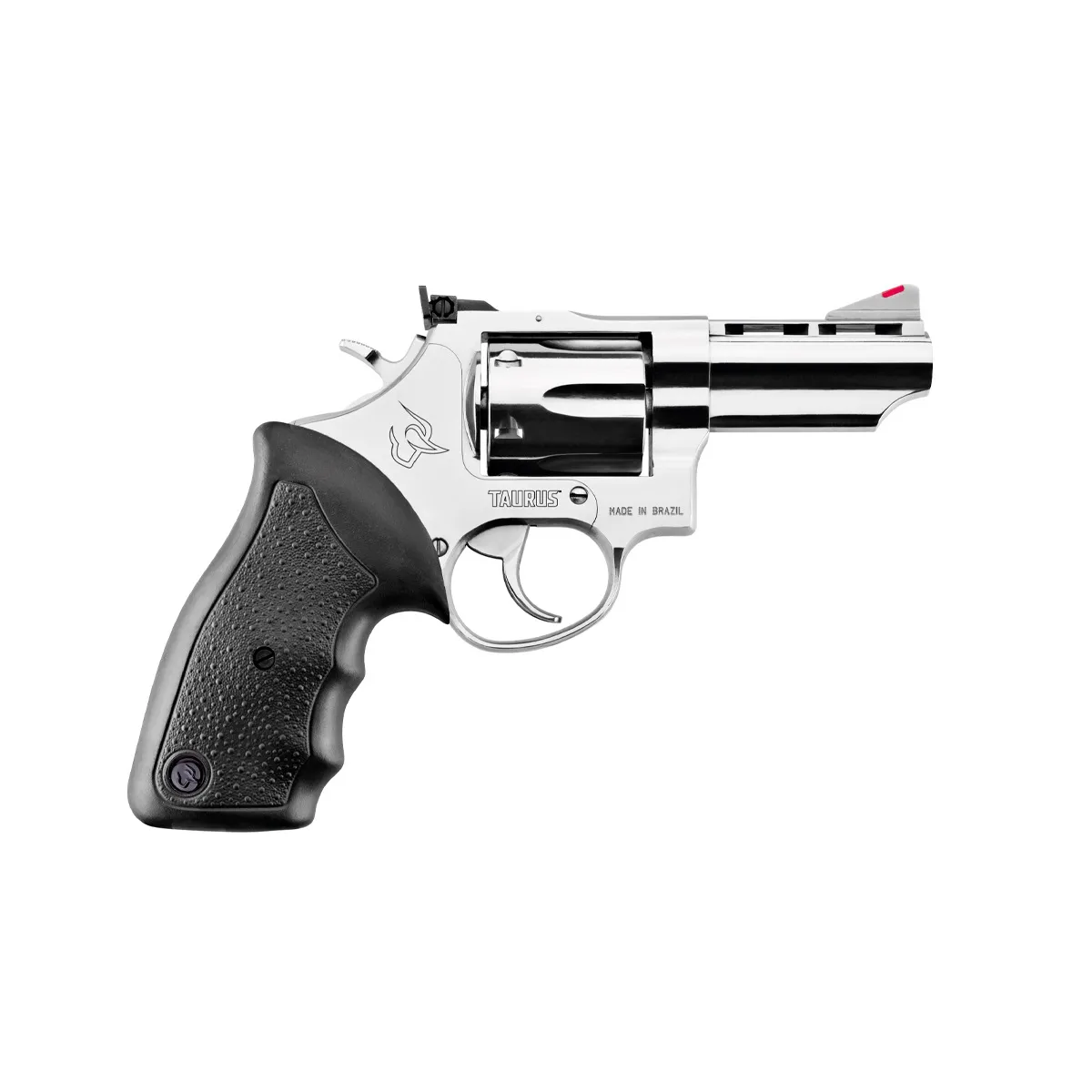
Revolver with six bullets
Handheld firearm designed to discharge projectiles. Capable of firing up to six rounds before reloading.
Flashlight with batteries
Portable electric light source powered by stored battery energy. Produces directed illumination in low-visibility conditions.
Plastic tarp
Water-resistant sheet material used as a barrier against wind, moisture, and precipitation.
Compass
Magnetic navigation instrument that indicates directional orientation relative to Earth’s magnetic field.
Survival knife
Fixed or folding blade tool designed for cutting, slicing, carving, and material processing.
Sleeping bag
Insulated fabric enclosure designed to reduce heat loss from the human body during rest.
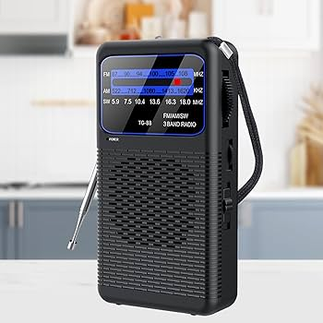
Portable radio (no transmission)
Battery-powered receiver capable of receiving broadcast signals but not transmitting outgoing communication.
Chocolate bar
Compact food item composed primarily of sugar and fats, providing concentrated caloric content.














Exercise Steps
1️⃣ Individual Ranking: Rank the items from most to least important based on survival needs. (If in a group, discuss and agree on a collective ranking.)
2️⃣ Calculate Your Survival Score: Use the calculator below to compare your rankings with expert evaluations and assess your chances of survival.
3️⃣ Feedback & Reflection: Analyze your decisions, discuss different strategies, and explore alternative survival approaches.
Expert Opinion

Surviving in a remote, hostile environment requires a clear understanding of immediate threats and available resources. In this scenario, the key challenges include exposure to extreme weather, lack of communication, dehydration, and potential injuries. Rescuers may take hours or even days to locate the crash site, making it imperative to maximize survival chances through optimal resource utilization.
Context - "What is going on?"
Do people know you the helicopter crashed?
Are they willing to rescue you?
Do they have the resources to come?
How will they come (by land or by air)?
How long will they take to realize you are lost?
How long will they take to find you?
Are they able to see you easily if they are far?
Are they able to see you if they are close?
Is it night or day?
Strategy - "What are you going to do?"
Move Toward Safety: Follow a watercourse or a trail toward a possible settlement.
Move to communicate: Go to the top of the hill and try to use the radio.
Protection from snow: Build a sturdy shelter and warm it up.
Stay Put and Signal: Stay at the crash site and signal as much as possible.
Protection from animals: Keep the fire burning at night, store food away from the shelter, and create a noisy perimeter with dry branches to deter animals.
How Rescue Will Occur & Strategy Development
Rescue efforts will likely follow a grid-based aerial search pattern, assuming authorities are aware of the crash location. This means visibility is crucial for rescuers to locate survivors. The group must establish a clear, bright, and contrasting signal to attract attention. Survival depends on prioritizing immediate needs over long-term concerns.
A clear, focused strategy is more effective than attempting to address all concerns equally. Just as in business and life, focus and execution of a well-defined plan lead to the highest probability of success.
Item-by-Item Analysis (Ranked by Importance)
Signaling Mirror – The single most valuable tool for rescue. Highly reflective and visible from long distances, even in cloudy conditions.
Box of Matches – Essential for starting a fire, which serves both as a heat source and a highly visible smoke signal for rescuers.
Flashlight with Batteries – A crucial tool for nighttime visibility and signaling rescuers, especially when paired with reflective objects.
Plastic Tarp – Dual-purpose item for shelter and ground signaling to increase visibility from the air.
10-Meter Rope – Useful for securing shelter and hanging reflective objects for signaling, in addition to medical and climbing purposes.
First Aid Kit – Essential for treating wounds, preventing infection, and ensuring the group remains fit to sustain signaling efforts.
Bottle of Water (1L) – Vital for preventing dehydration, though limited in supply. Should be rationed carefully.
Survival Knife – Multipurpose tool useful for cutting, self-defense, and crafting survival gear.
Sleeping Bag – Prevents heat loss in cold climates and provides comfort for necessary rest.
Compass – Helps with orientation if movement is required, though staying put is usually recommended.
Regional Map – Useful only if one has knowledge of the area and a means of navigation.
Canned Food – Provides sustenance but is not an immediate priority compared to water and shelter.
Revolver with Six Bullets – May deter wild animals but is otherwise of limited survival use.
Chocolate Bar – Quick energy boost but lacks long-term sustenance. While it can provide temporary energy, its importance is minimal compared to other resources.
Portable Radio (No Transmission) – Without transmission capability, it serves no functional purpose in a survival situation, making it the least useful item.
Final Discussion
What did the group prioritize correctly?
What could have been done differently?
How did communication influence the decisions?
What lessons were learned about teamwork and survival planning?
This exercise can be adapted to different environments (desert, jungle, ocean, arctic) depending on the training context.
Business Lessons
Understand the scenario and forecast the most probable future.
Define your strategy.
Hyperfocus on your strategy.
Prioritize limited resources.
Work hard and pray to be right!
Reference
Inspired by the Subarctic Survival Situation™ (research and development by J. Clayton Lafferty, Ph.D., in consultation with the Canadian Armed Forces - reference), this activity places students in the role of managers facing a major supply chain crisis.

