Nesta aula de inglês vamos aprender, de forma simples, o que é a fáscia. A fáscia é um tecido conjuntivo que forma uma rede contínua por todo o corpo, envolvendo músculos, ossos e órgãos.
Ela ajuda a conectar as estruturas do corpo e permite que os músculos se movam e deslizem de forma eficiente. Entender esse sistema ajuda a compreender melhor como o corpo se move e como surgem tensões musculares.

Understanding Fascia and Myofascia: Why Tension Builds Up and How Releasing It Helps
Preparation
Have you ever heard about Myofascia release?
What is exactly fascia and myofascia and why does it need to be release?
Text
Fascia is a type of connective tissue that forms a continuous network throughout the entire body. It surrounds and connects muscles, bones, nerves, blood vessels, and organs. Instead of being separate parts, the body is held together by this web-like structure. Fascia is mainly composed of collagen fibers, elastin, water, and a gel-like substance rich in hyaluronic acid. This composition allows the tissue to be both strong and flexible.
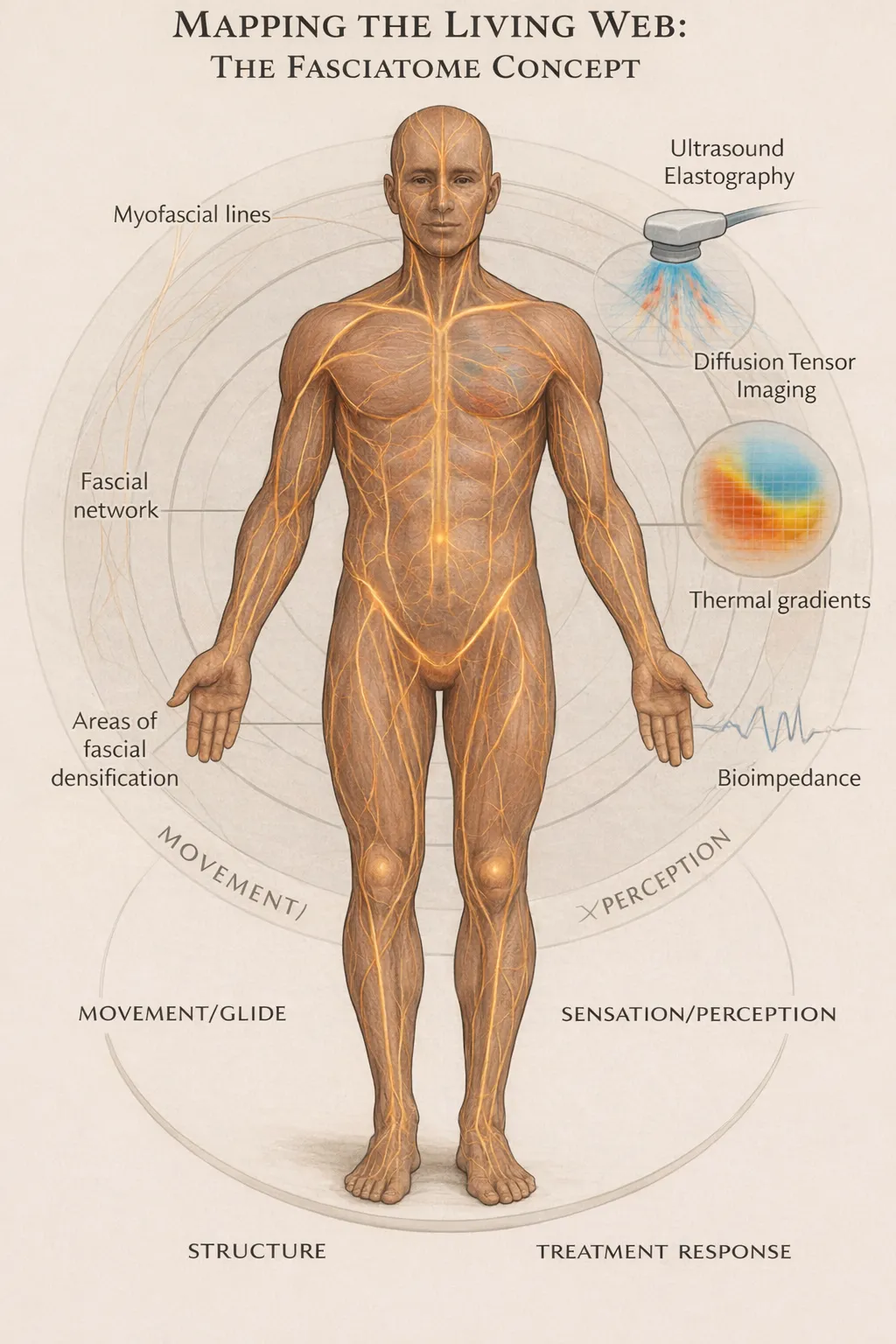

We can easily see the fascia when we are preparing chicken.

When fascia specifically surrounds and interacts with muscles, it is called myofascia. The term combines “myo,” meaning muscle, and “fascia,” referring to the connective tissue around it. Myofascia forms layers that wrap individual muscle fibers, entire muscles, and groups of muscles. Because these layers are interconnected, tension in one area can influence movement and sensation in other parts of the body.
Healthy fascia is elastic and allows tissues to glide smoothly against each other. Muscles can contract and relax without friction, and movement feels fluid and efficient. However, fascia can become tight, stiff, or restricted. This is often described as myofascial tension.
Several factors can make fascia tense. One common cause is physical exercise. During training, small micro-injuries occur in muscle fibers. This is normal and helps muscles become stronger. The body responds with inflammation and repair. Because fascia surrounds the muscles, this process also affects the fascia.
During inflammation, blood flow increases and immune cells move to the injured area. Fluid also accumulates. Cells called fibroblasts produce more collagen to repair the tissue. This helps healing, but it can temporarily make the fascia thicker and less elastic.
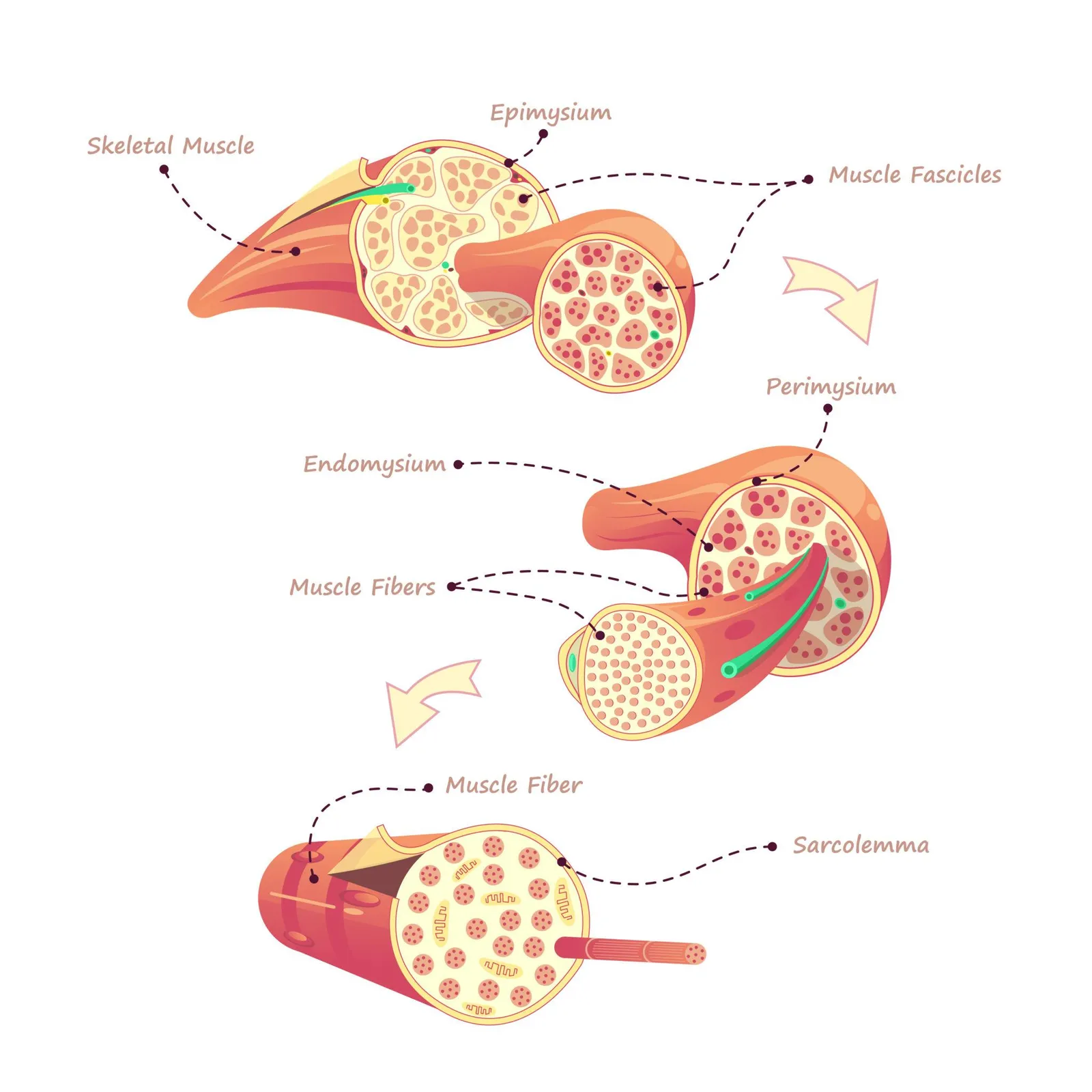
Repetitive movement can also make fascia tense. When the same muscles are used many times, the fascial layers can become denser.
Repetitive movement makes fascia denser because the body adapts to repeated stress. When the same muscles work many times, the connective tissue around them responds by producing more collagen to support and protect the area. Over time, this extra collagen can make the fascial layers thicker and less flexible.
Poor posture, long periods of sitting, or little movement can also reduce circulation and hydration. Because fascia contains a lot of water and depends on movement to circulate fluids, lack of movement can make the tissue thicker. When this happens, the layers do not glide well, causing stiffness and discomfort.
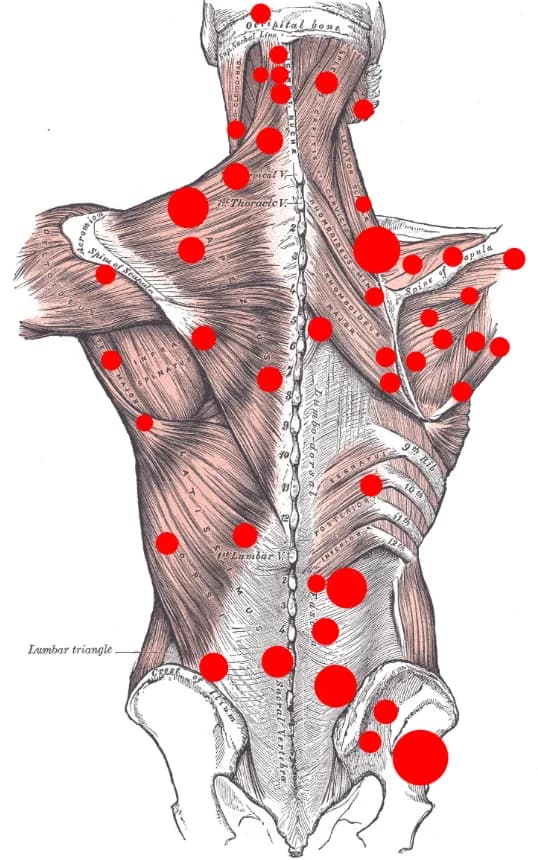
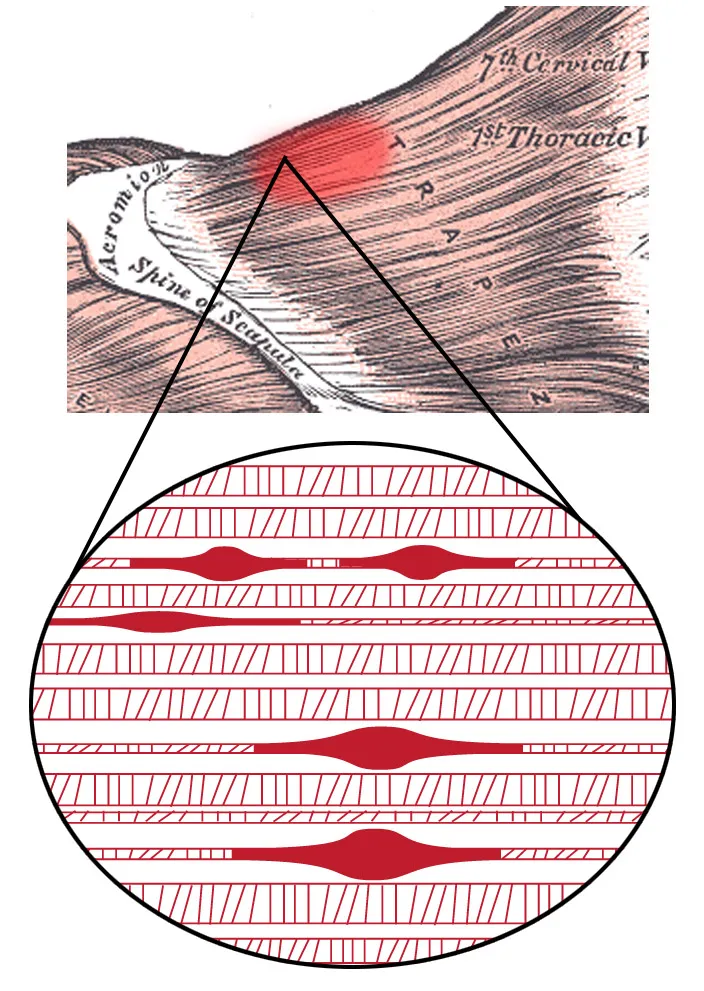
These restrictions are often called myofascial adhesions or trigger points. They are areas where the tissue does not move smoothly and where tension accumulates. The fascia is rich in sensory nerve endings, so restrictions can produce pain, tightness, or reduced range of motion.
Myofascial release is a set of techniques designed to restore the normal mobility of this tissue. It can be performed through massage therapy, physical therapy, stretching, or self-care methods such as foam rolling or using massage balls. The goal is to apply gentle, sustained pressure to the affected areas.

Pressure helps reorganize collagen fibers, reduce adhesions, and improve circulation by bringing oxygen and nutrients while removing waste. This can increase range of motion, reduce muscle soreness, and improve movement and performance.
There is also a neurological component. Fascia contains many mechanoreceptors that communicate with the nervous system. When pressure is applied during release techniques, these receptors send signals that can reduce muscle tone and promote relaxation of the surrounding muscles.
Over time, maintaining healthy fascia can also reduce the risk of certain movement-related injuries because tissues are able to adapt to stress more effectively.
So, will you do myofascial release?
B2 Level
Listening
Text
Fascia is soft tissue in the body. It is like a web that covers and connects muscles, bones, nerves, blood vessels, and organs.
Fascia has collagen, elastin, water, and a gel with hyaluronic acid. This makes it strong and flexible.
We can see fascia when we prepare chicken. It is the thin white layer around the meat.
When fascia is around muscles, we call it myofascia. “Myo” means muscle in Ancient Greek.
All layers connect. So tension in one place can affect other parts of the body.
Healthy fascia is elastic. Tissues slide easily and movement feels smooth.
But fascia can become tight. This is called myofascial tension.
Exercise can cause this. Small injuries happen in muscles during training. The body repairs them and muscles become stronger.
The body sends blood and immune cells to the area. Cells produce more collagen to repair the tissue.
For some time, fascia can become thicker and less flexible.
Doing the same movement many times can also make fascia tighter.
Small tight spots can appear. These are called trigger points.
They can cause pain, tightness, or less movement.
Myofascial release helps relax fascia.
Gentle pressure is applied to tight areas.
This can help the tissue move better and improve blood flow.
It can reduce pain, muscle soreness, and improve movement.
Healthy fascia can also help prevent injuries.
Will you try myofascial release?