Este case em inglês foi desenvolvido para executivos e alunos avançados que desejam aplicar vocabulário técnico de negócios, estratégia e inovação em um cenário realista e desafiador.
Você será colocado no papel de CEO da Uber em 2010, quando a empresa havia validado o modelo em San Francisco, mas ainda enfrentava o dilema de como escalar: concentrar recursos em uma cidade até provar unit economics ou acelerar a expansão geográfica antes que competidores e reguladores travassem o crescimento.
Ao longo da leitura, você aprenderá sobre os desafios de escalar um marketplace de dois lados, explorando três dimensões principais: liquidez local, unit economics e regulação. O texto também conecta essas ideias a autores clássicos e modernos de estratégia, como Simon, Rochet & Tirole, Eisenmann, Parker & Van Alstyne.
O objetivo não é apenas melhorar seu inglês, mas treinar a sua tomada de decisão estratégica com base em cenários, evidência e estrutura analítica sólida, aprendendo a avaliar se até o pior caso de forecast ainda justifica a expansão.
Case
This case will take about 30 minutes to complete. It is designed to put you in the CEO’s chair at Uber in 2010, facing the challenge of scaling beyond its initial success in San Francisco.
As you go through the story, you will be asked to make strategic choices and see their consequences. The goal is to help you practice how to scale a two-sided marketplace, balancing liquidity, unit economics, and regulation while ensuring that even the worst-case scenario keeps the company alive.
Learning Objectives
Understand the dynamics of scaling in two-sided marketplaces. Recognize the role of liquidity, unit economics, and regulation in expansion. Apply these concepts to the case of Uber deciding how to scale beyond its initial success. Derive practical lessons for building defensibility while growing under uncertainty.
Pitch Deck

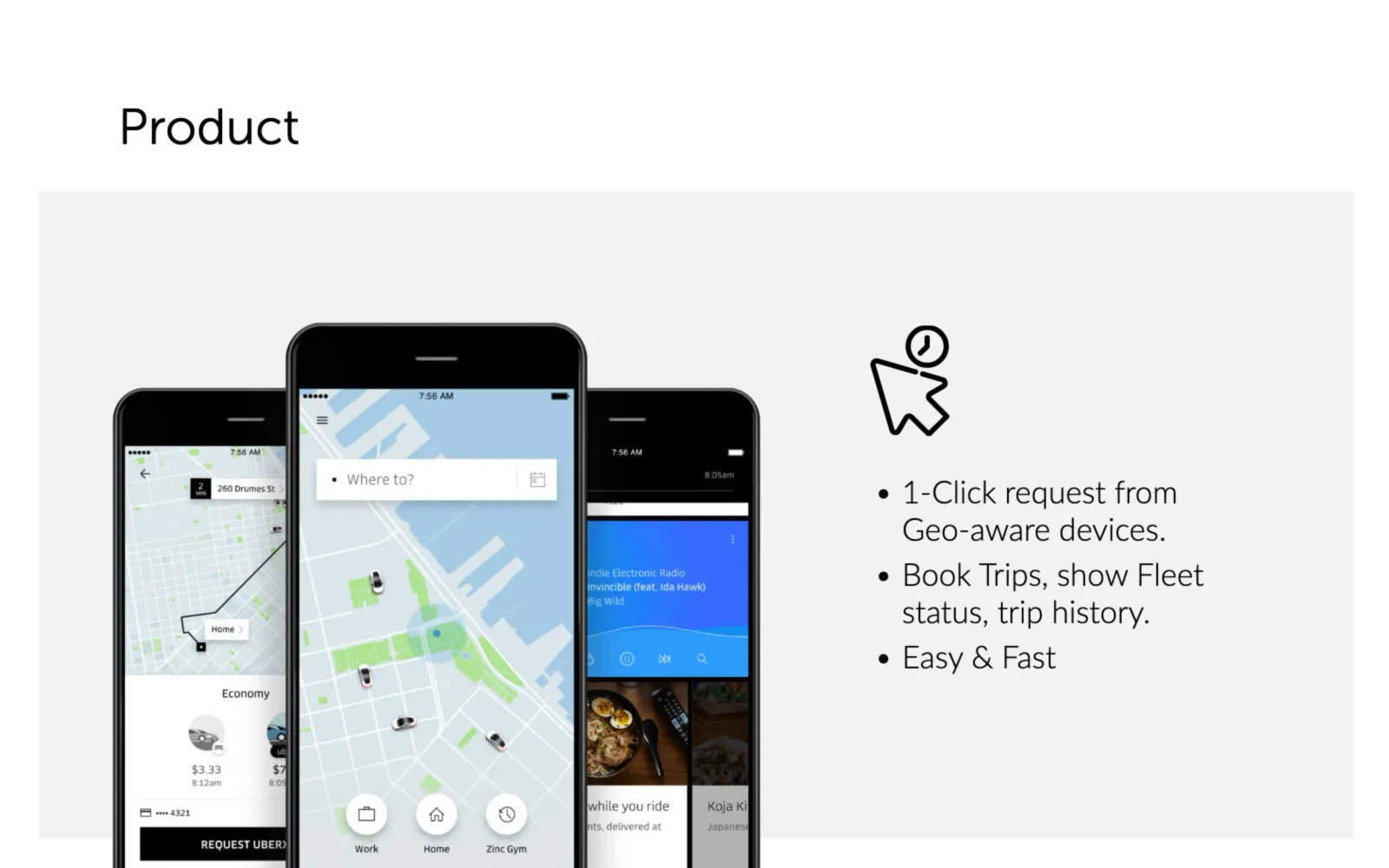
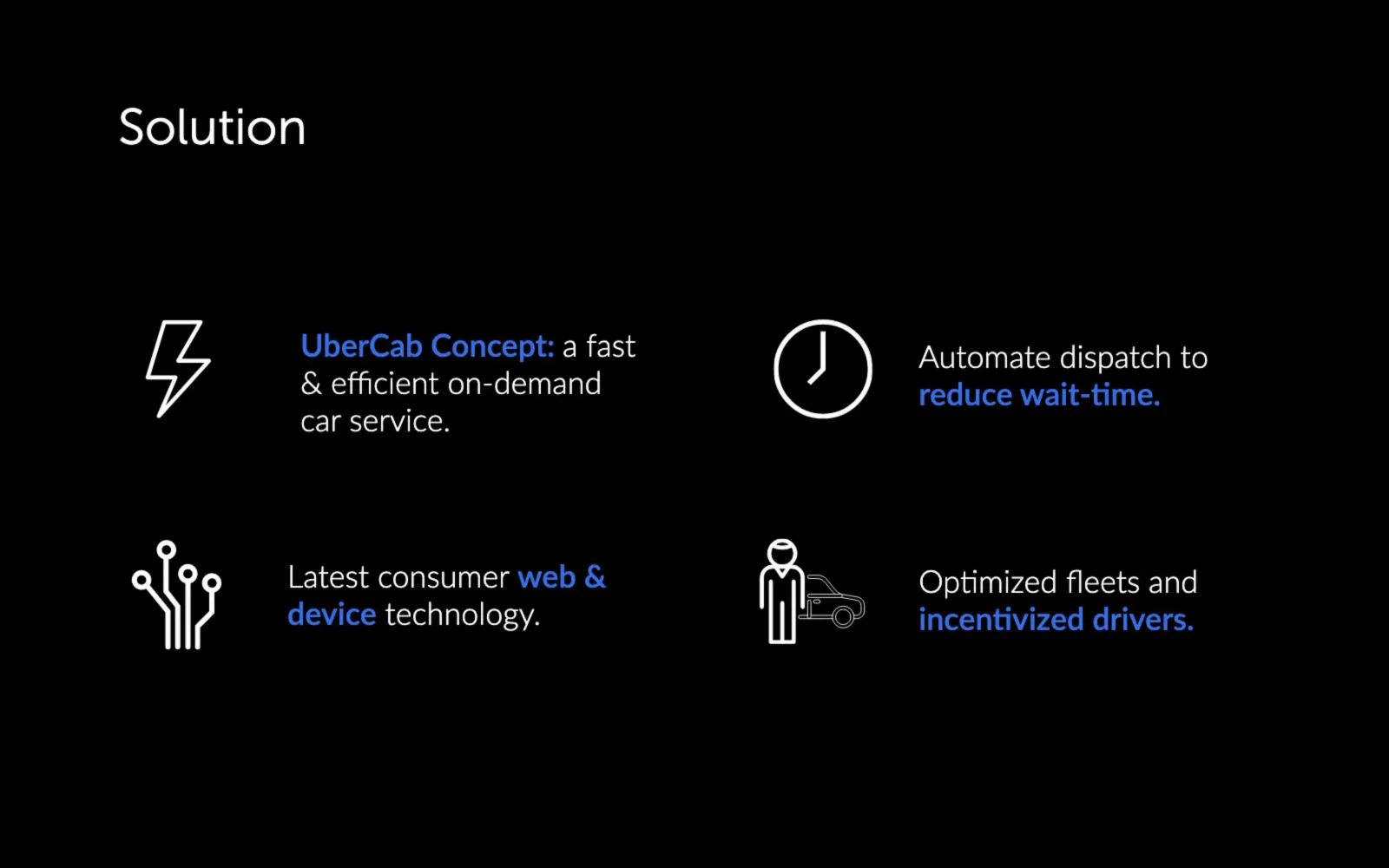
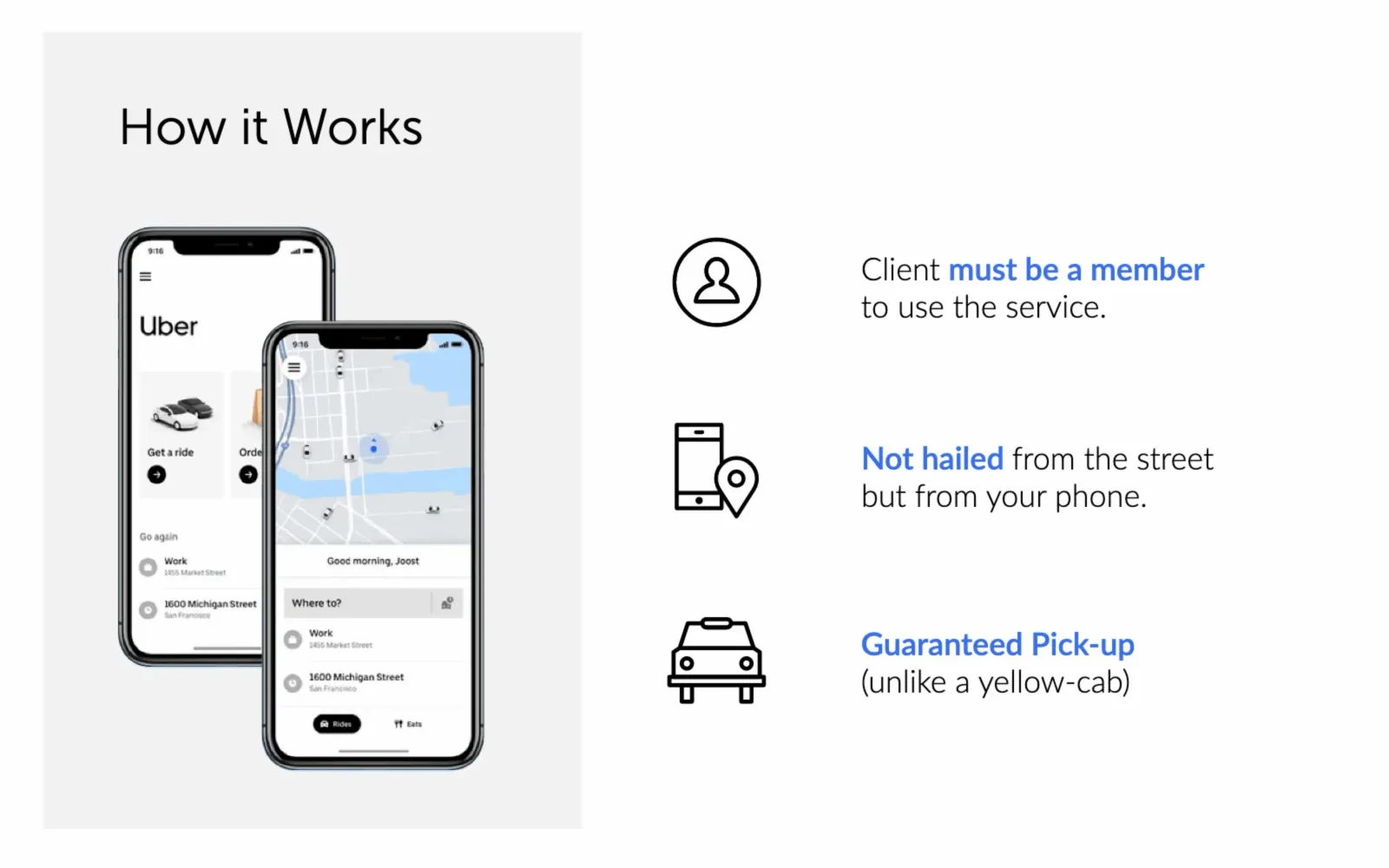
Uber: Growth at All Costs
A strategic growth challenge for two-sided marketplaces
It’s 2010. You’re Travis Kalanick, CEO of Uber.
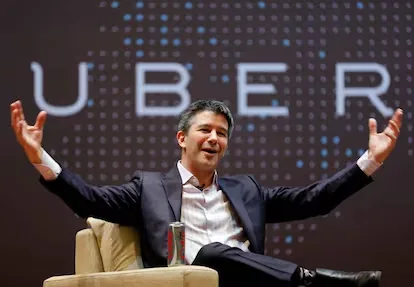
You’ve just raised $2 million from investors who believe your idea — pressing a button and having a car arrive in minutes — could change urban transportation forever. San Francisco is working beautifully, and now it’s time to expand.
But here’s the problem: your cash must last.Every move you make could be the one that kills the company.If you go too slow, competitors like Lyft will copy your model and capture the market.
From this point forward, every decision matters.
Decision 1 – The Big Launch
The team gathers in a small conference room, the whiteboard full of expansion plans.The debate is intense: Where do we go next?
You have two radically different options for your first big launch.
Option A: SXSW (South by Southwest) Blitz – Go Big, Go National
Some on your team want to go all-in at SXSW, one of the biggest tech and culture events in the U.S., held in Austin, Texas.The plan: wow journalists, celebrities, and influencers with free Uber rides in luxury black cars. If it works, the Uber name could explode nationwide in a matter of days.

But it’s expensive — $250,000 upfront — and logistically complex. If the cars are late or the experience is poor, the backlash could destroy the brand before it even starts. And if you spend this much now, you’ll have far less cash to actually expand into cities.
Option B: Quiet Launch in New York – Slow and Steady
Others argue for a quiet, focused launch in New York City. Start with a small group of techies, entrepreneurs, and nightlife enthusiasts who value reliability and will pay for premium service. It’s cheaper — just $50,000 — and far more controlled.
But there’s a risk: while you’re growing slowly, competitors could launch in multiple markets, capture attention, and make Uber look like a niche service.
So… what will you do?
Decision 2 – Drivers or Passengers?
You are in a hard spot and you must decide what to do first, knowing you can not do both simultaneously.

Option A: Driver-first
One operations manager says, “Without drivers, there is no Uber.”His plan: guarantee drivers $30 per hour, even if they don’t get a single ride.This instantly fills the streets with cars, reducing wait times and creating a perfect first impression for riders.
The downside? It’s incredibly expensive. If you don’t taper subsidies quickly, cash burn will skyrocket.
Option B: Passenger-first
Another voice argues the opposite: “Growth comes from the demand side.”Offer the first ride free to every new user.Happy riders bring friends, creating a viral loop of referrals. As demand grows, drivers will naturally sign up to chase earnings.
But if there aren’t enough cars available when riders open the app, they’ll have a terrible first experience.
So… what will you do?
Decision 3 – Expansion Inside the City
New York is live. You open the app dashboard and see rides coming in from across the city. Now you must decide how to expand within New York.

The map shows five boroughs: Manhattan, Brooklyn, Queens, Bronx, Staten Island. Each has different demographics, density, and demand.
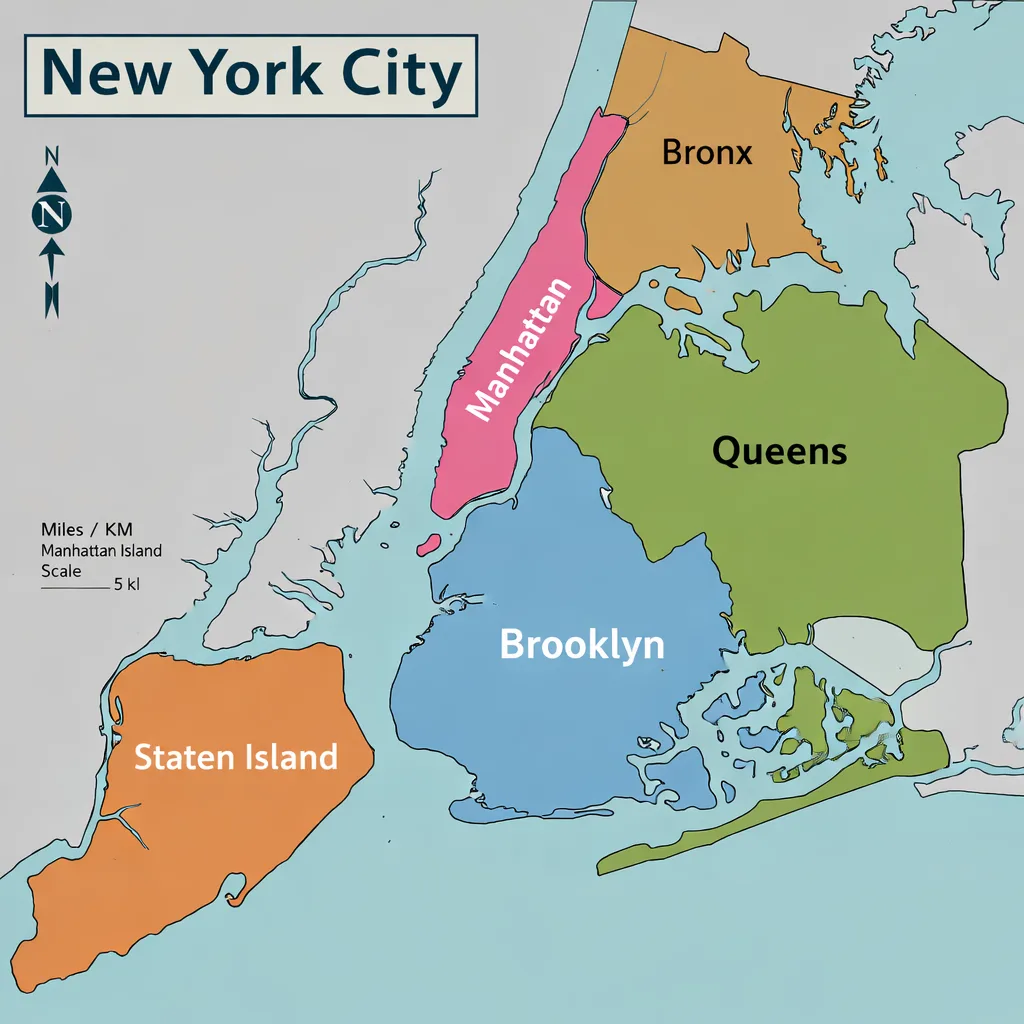
Option A: Hyperlocal Dominance
Some of your team argue for focus: start with just lower Manhattan, and perfect the experience there. The goal is sub-5-minute pickups and flawless service quality. Once riders experience this level of reliability, they’ll tell their friends — and growth will snowball.
The risk: competitors could launch in other boroughs, capturing new users before you reach them.
Option B: Citywide Push
Others want an aggressive land grab: launch in multiple boroughs at once. Cover as much territory as possible to maximize user sign-ups.
The risk: spreading resources too thin. Passengers might open the app and see “No cars available.”Drivers might wait endlessly for rides and quit.
So… what will you do?
Decision 4 – How to Grow Faster
The cash burn is accelerating. Acquiring new users is getting more expensive. You must decide where to focus marketing dollars.
Option A: Street Teams + Local Partnerships
Some leaders push for a grassroots approach:
- Local teams handing out flyers and QR codes outside airports, clubs, and events.
- Partnerships with companies, law firms, and event organizers to provide rides for employees or VIPs.
- Building relationships directly with riders and drivers.
It’s cheaper per acquisition and builds deep local loyalty.But it’s slow to scale and operationally complex.
Option B: Digital Ads
Others want to go big with digital advertising: Facebook, Google, Instagram. You can target urban professionals with precision and track every click. It’s fast, scalable, and data-driven.
The risk: CAC (customer acquisition cost) can skyrocket. If local experience isn’t strong, you’ll pour money into ads just to have users churn after their first bad ride.
Two visions: Local, boots-on-the-ground growth or mass-market, data-driven growth.
So… what will you do?
The Reveal – What Uber Really Did
After all the tough decisions, here’s what Uber actually chose:
Decision 1
Uber went big and bold at SXSW.This gamble created massive national buzz, attracted journalists and investors, and positioned Uber as the leader in on-demand rides. High visibility gave Uber legitimacy and made fundraising easier. It also generated free PR that no competitor could match.
Decision 2
Uber prioritized drivers first.They paid generous guarantees to flood the streets with cars, ensuring riders always had a great first experience. If riders opened the app and couldn’t get a car, they would churn instantly.
Decision 3
Uber focused on one neighborhood at a time, perfecting pickup times and service before expanding citywide. A flawless experience in a small area taught them what to do, generated word-of-mouth and incresed retention.
Decision 4
Uber started with boots-on-the-ground marketing. They sent teams to bars, airports, and events, and signed local partnerships for steady demand. It built trust, high conversion rates, and dense liquidity.