O futebol feminino está em ascensão e movimenta bilhões. Mas qual será o futuro da modalidade? Nesta aula de inglês para executivos iniciantes, você vai praticar leitura e vocabulário com um texto atual e provocativo sobre salários, investimentos e o crescimento dessa indústria global.
É uma oportunidade de aprender inglês com temas que importam — negócios, esporte e igualdade.
Women’s Football: Growth, Numbers, and the Billion-Dollar Future Ahead
Women’s football is going through a historic transformation. Once marginalized, it now moves millions in revenue, attracts major investment, and points to a future where top female players can earn just as much as their male counterparts — at least at the elite level.
Salaries: Where We Stand
Today, the highest-paid female footballer in the world is Aitana Bonmatí (Barcelona), earning about €1 million/year.
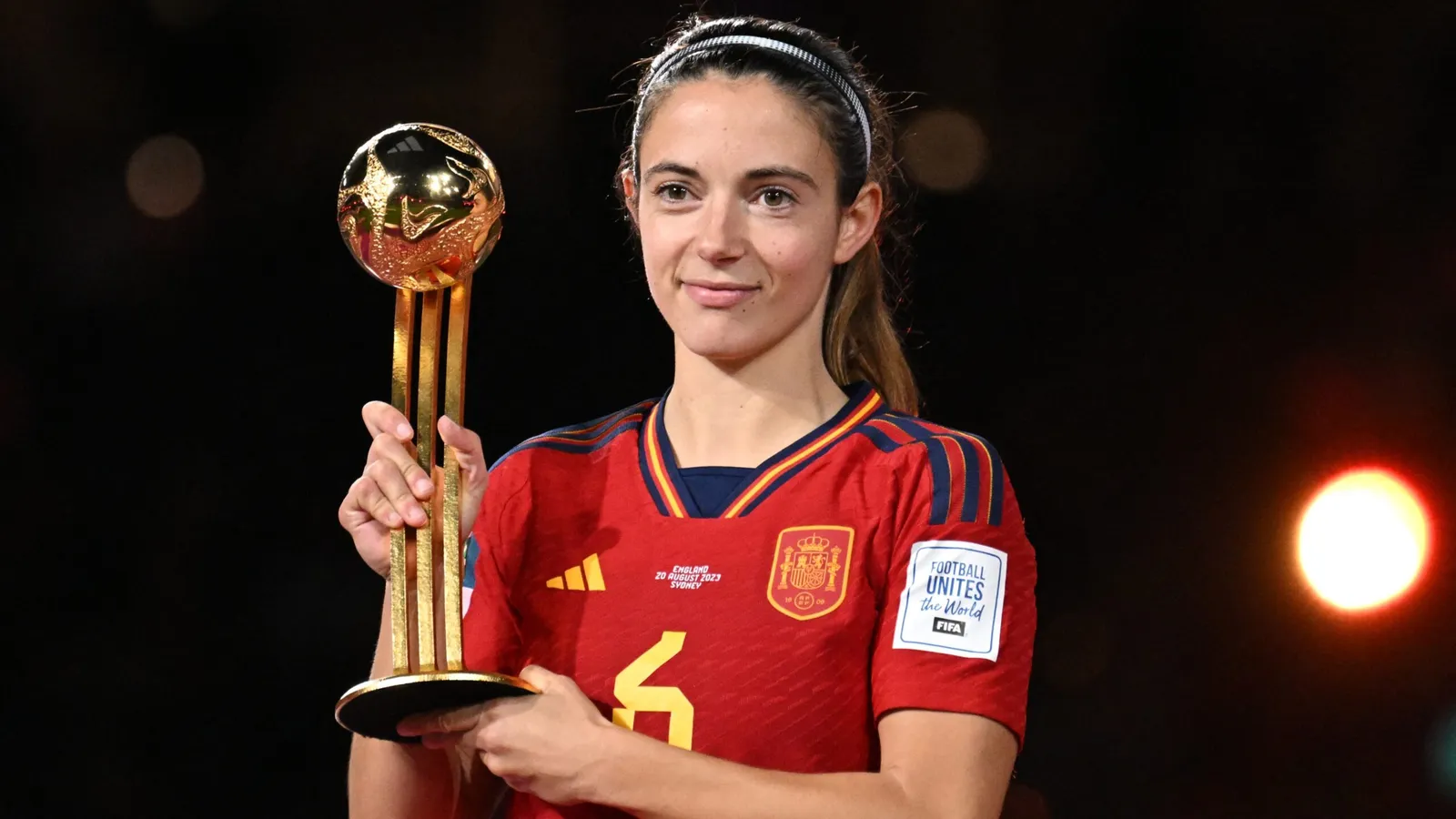
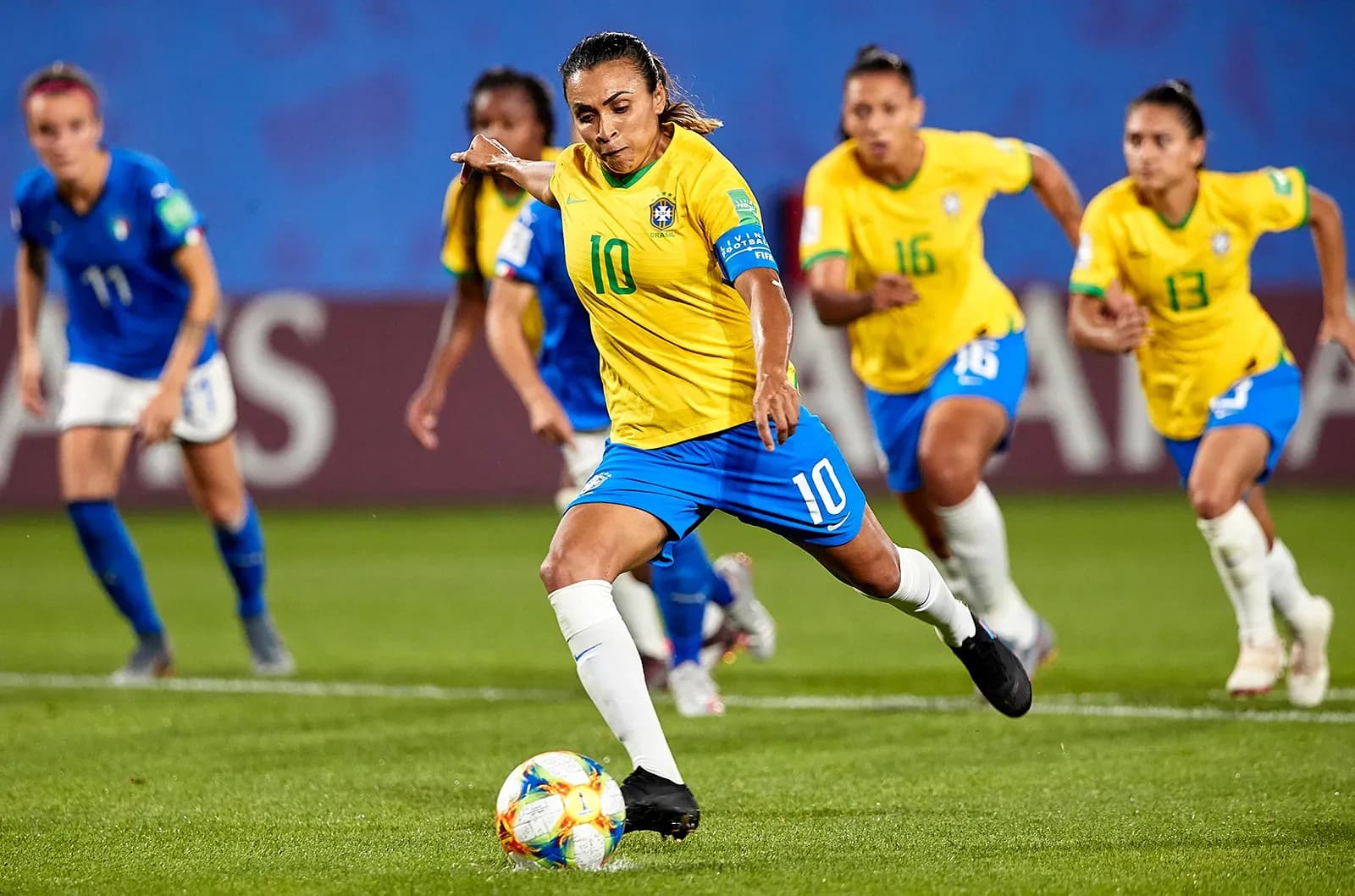
Alexia Putellas earns around €700,000, and Sam Kerr (Chelsea) makes roughly €538,000. Brazilian icon Marta still ranks among the top, with US$400,000/year at Orlando Pride (USA).
However, the average global salary for female footballers remains low — about US$10,900/year, according to FIFPro. The gap between the elite and the majority is vast, especially outside the top leagues in Europe and the U.S.
Investment and Acceleration
What drives optimism? The numbers. In 2024 alone, investment in women’s sports advertising rose 139%, reaching US$244 million. Fan interest is booming: a Visa survey found that 58% of women’s football fans started following the sport in the past five years, and nearly half say they’ll engage more in the next three.
UEFA increased the prize pool for the 2025 Women’s Euro by 156%.
In the U.S., the NWSL signed a collective bargaining agreement that raises the salary cap from US$3.3M in 2025 to US$5.1M by 2030, introduces guaranteed contracts, revenue sharing, medical support, and improved travel standards.
A Matter of Perspective
People often compare women’s soccer to men’s soccer, but men’s soccer is an astronomical business and hardly a fair benchmark. A better approach is to compare women’s soccer to its own past—to recognize how fast it’s grown—and to other male sports like handball and volleyball. In this context, women’s soccer already surpasses both in global market size, driven by stronger media rights, sponsorship deals, and audience reach. While men's volleyball generates around $100–120 million annually and handball about $40–60 million, FIFA alone earned $570 million in the 2023 Women’s World Cup cycle. The tournament reached 2 billion viewers globally, far above the 500 million for handball’s World Championship or the ~11 million for volleyball’s Olympic final. Despite strong regional markets for volleyball (Italy, Poland) and handball (France, Germany), they lack the global commercial momentum and growth trajectory of women’s soccer.
Conclusion
We’re at a turning point. Investments are growing, audiences are engaged, and female athletes are finally starting to get the spotlight they deserve. But we still have a long road ahead — especially in countries like Brazil, where the potential is huge but the support is lacking.
What ideas do you have to grow women’s football?
Should clubs be required to invest more in their women’s teams?Should we create incentives for brands to sponsor female players?What about more visibility in schools, media, and video games?
Let’s talk.