📊 Sim, até o futebol virou engenharia de performance.
Essa aula de inglês para executivos usa um dos temas mais amados do Brasil para ensinar como o esporte se transformou — e como isso conecta com inovação, dados e gestão.
👉 Você vai praticar inglês enquanto entende:
✅ Por que os jogadores chutam menos de longe.
✅ Por que quase ninguém treina falta como antes.
✅ Como o sono e a nutrição influenciam diretamente a performance.
✅ E por que hoje, até o goleiro precisa saber passar a bola como um volante.
📚 Aqui, você não aprende só a falar inglês — aprende coisas que importam, com vocabulário real, técnico e atual.

The New Soccer: Scientific and Data-Driven
Soccer has changed. What was once ruled by instinct, repetition, and raw talent is now guided by data, sports science, and performance engineering. Clubs track every step, every heartbeat, and every kick, aiming to balance maximum performance with minimum risk. Welcome to The New Soccer.
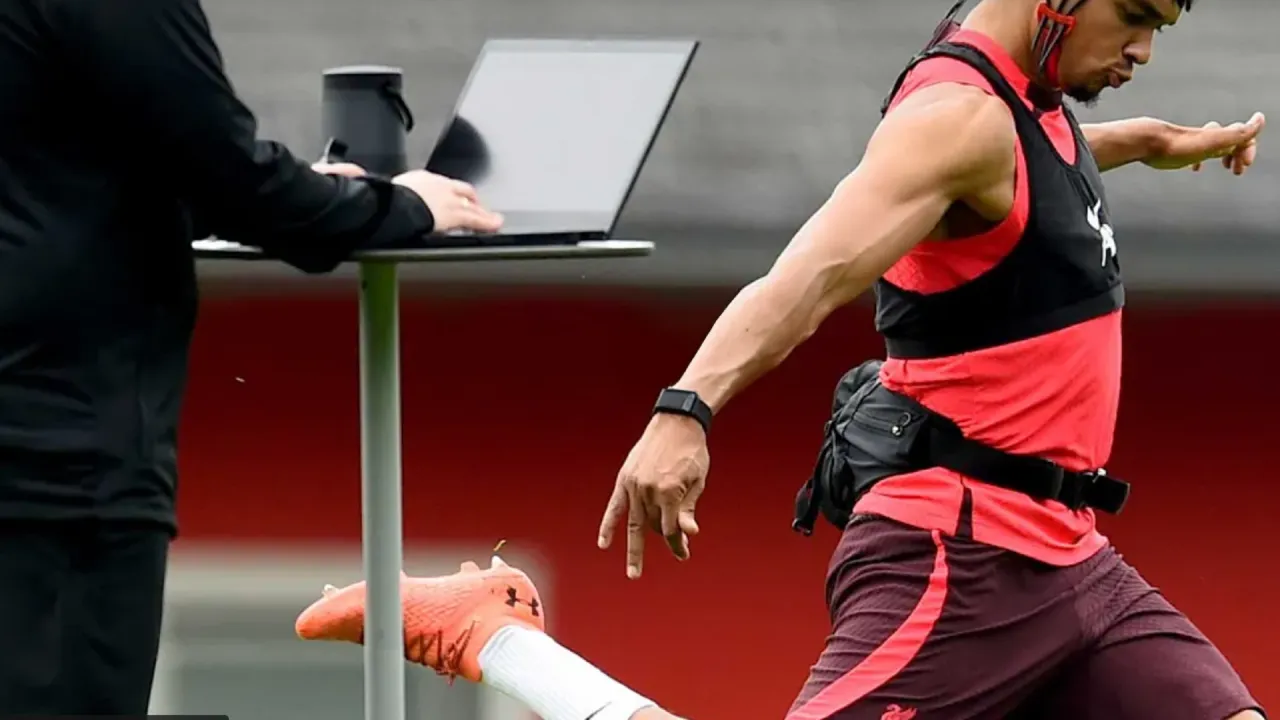
Players no longer train the way they used to. Set-piece drills like free kicks are no longer endlessly repeated. Sports scientists and physical coaches found that explosive and repetitive movements increase the risk of muscle injuries, especially in the hamstrings (Ekstrand et al., 2011). Free kick routines were reduced or adapted, replaced with safer, less intense sessions.
But this comes at a cost: less practice means fewer specialists. Free kick goals are rare now. Repetition is key to developing motor skills (Lees and Nolan, 1998), and without it, performance suffers.

Other fundamentals have shifted too. Long-range shots are discouraged due to their low conversion rates. Data shows most goals come from inside the box (Anderson and Sally, 2013). Random crosses have been replaced by low, intentional passes into dangerous areas. Excessive dribbling is often seen as inefficient, unless the player is exceptional. Isolated physical training has been replaced by integrated, game-based sessions that build endurance, strength, and decision-making at the same time (Impellizzeri et al., 2006). Even the goalkeeper had to evolve: it’s no longer enough to make saves — they must build from the back and act as a modern-day sweeper.
It all revolves around injury prevention. Performance science is obsessed with player availability. Every session is tracked using GPS, accelerometers, and biometric data. Sleep is part of training: sleeping less than eight hours a night increases injury risk by 1.7 times in young athletes (Milewski et al., 2014). Nutrition is personalized.
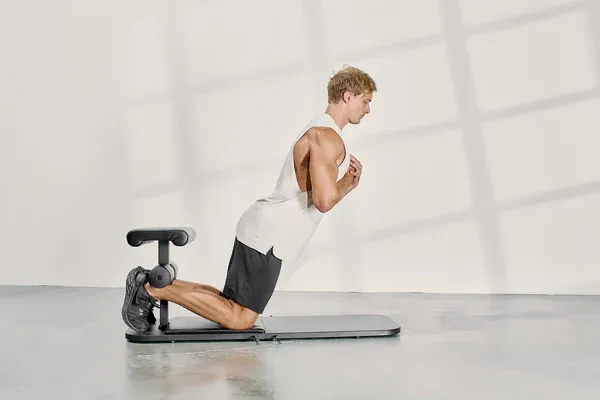
Eccentric exercises like the Nordic hamstring curl reduce muscle injury risk by up to 50% (van Dyk et al., 2019).
Pre-activation routines are required before every session. After training or games, athletes go through recovery protocols with ice baths, contrast showers, massage, and even mindfulness. During congested schedules, rotation is a must.
Soccer is no longer just art. It’s science, statistics, engineering, and biotechnology. That doesn’t mean beauty is gone — it just hides behind dashboards, algorithms, and data-driven decisions. The New Soccer is less romantic, but far more efficient.
References:
Anderson, C., and Sally, D. (2013). The Numbers Game: Why Everything You Know About Soccer Is Wrong. Penguin Books.
Ekstrand, J., Hägglund, M., and Waldén, M. (2011). Injury incidence and injury patterns in professional football: the UEFA injury study. British Journal of Sports Medicine, 45(7), 553–558.
Impellizzeri, F. M., Marcora, S. M., and Castagna, C. (2006). The physiological and performance effects of generic versus specific aerobic training in soccer players. International Journal of Sports Medicine, 27(6), 483–492.
Lees, A., and Nolan, L. (1998). The biomechanics of soccer: a review. Journal of Sports Sciences, 16(3), 211–234.
Milewski, M. D., Skaggs, D. L., Bishop, G. A., Pace, J. L., Ibrahim, D. A., Wren, T. A., and Barzdukas, A. (2014). Chronic lack of sleep is associated with increased sports injuries in adolescent athletes. Journal of Pediatric Orthopaedics, 34(2), 129–133.
van Dyk, N., Behan, F. P., and Whiteley, R. (2019). Including the Nordic hamstring exercise in injury prevention programmes halves the rate of hamstring injuries: a systematic review and meta-analysis of 8459 athletes. British Journal of Sports Medicine, 53(21), 1362–1370.